Streamlining area validation and data management for a nationwide portfolio . Client Overview The client is a leading global technology consulting firm with a significant presence in India. With operations spanning multiple industries, they manage and maintain extensive real estate assets across the country. As part of their commitment to operational excellence, they sought to bring greater accuracy, transparency, and efficiency to their property data management processes. Problem Statement Managing over 10 million square feet of built-up space across diverse locations posed unique challenges. Inconsistent as‑built records, fragmented drawing archives, and a lack of standardized workflows for lease area validation were creating delays, compliance risks, and inefficiencies in reporting. The client needed a partner who could help them digitally transform their area management processes while integrating these workflows with their existing teams and operations. Key Challenges Lack of reliable as‑built data across a large portfolio Time‑consuming lease area validation and compliance checks Multiple drawing versions leading to errors and rework Disconnected data storage systems impacting visibility Need for training internal teams to manage digital workflows effectively DGTRA’s Approach & Solutions We partnered with the client to build a robust digital framework for area validation, drawing management, and compliance reporting—designed to scale effortlessly across their portfolio. Captured accurate as‑built conditions using immersive 360° walkthroughs and digital data capture methods Developed automated workflows for lease area validation, reducing manual intervention Performed analytics‑driven calculations for built‑up, carpet, and leasable areas with audit trails Implemented centralized data and drawing management, ensuring single‑source‑of‑truth access Delivered compliance‑focused documentation aligned with industry standards Provided end‑to‑end training and onboarding to empower internal teams for long‑term adoption Solution Ecosystem A combination of model‑based coordination, digital data capture, centralized collaboration platforms, and analytics‑driven reporting systems was deployed. This ecosystem ensured seamless data flow, transparency, and auditability without tying the solution to any specific vendor. Conclusion Through our engagement, the client transformed a previously fragmented process into a scalable, compliant, and data‑driven operation. Area validation cycles became significantly faster, compliance reporting more accurate, and drawing management centralized and accessible. The result: enhanced decision‑making, reduced operational risks, and a future‑ready framework that supports growth across their nationwide portfolio.

Enabling Digital Prototyping and Workflow Optimization
Empowering a modular housing innovator to scale with precision and speed . Client Overview Our client is a pioneering modular housing company based in the United States. Focused on affordability, sustainability, and community living, they are redefining urban housing through modular building solutions that integrate technology at every step. Their vision demanded not only innovative design but also processes that could scale seamlessly as production and projects grew in complexity. Problem Statement As the client expanded its portfolio, traditional design and coordination methods were no longer sufficient. The need to accelerate design iterations, manage large volumes of data, and deliver high‑quality visualization to stakeholders became critical. They sought a partner who could bring digital engineering expertise, workflow optimization, and scalable collaboration practices without taking on engineering liabilities. Key Challenges Translating conceptual designs into precise modular prototypes Managing complex data across distributed teams and fabrication partners Frequent design revisions causing delays in approvals and manufacturing Need for immersive visualization assets to communicate design intent Difficulty in tracking progress and validating designs in real time DGTRA’s Approach & Solutions DGTRA worked closely with the client’s design and project teams to build a digital backbone that enabled rapid iteration, seamless communication, and clear visualization. Developed virtual prototypes for modular units, allowing stakeholders to evaluate designs early Automated key design workflows, reducing repetitive tasks and improving accuracy Created high‑impact visualization assets to support client and investor presentations Optimized fabrication models to suit modular construction requirements Integrated a centralized data environment for consistent information flow across teams Enabled on‑site tracking and progress validation through integrated digital monitoring Supported design validation and planning with advanced simulation and review techniques Solution Ecosystem A blend of collaboration platforms, model‑based coordination tools, and advanced visualization environments formed the backbone of the implementation. These technologies worked together to streamline design, coordination, and data management without tying the process to any single vendor. Conclusion Through DGTRA’s engagement, the client transformed their approach to design and project delivery. What once took weeks to coordinate was streamlined into days, enabling faster approvals and smoother integration between design, fabrication, and field teams. Virtual prototypes reduced ambiguity, workflow automation minimized repetitive effort, and centralized data management improved transparency across all stakeholders.

Digital Transformation of a 2 Million Sq. Ft. Retail Development in Pune
Enabling BIM strategy, systems integration, and workflow optimization for a leading Indian developer Client Overview The client is a leading Indian real estate developer with a strong presence across western India. Renowned for delivering high-end residential and commercial spaces, the organization emphasizes design excellence, community-focused planning, and sustainable development. As part of their broader shift toward digital project delivery, the developer sought to implement Building Information Modeling (BIM) processes for improved collaboration, quality, and efficiency—starting with a large-scale retail project in Pune. Problem Statement As they embarked on a 2 million square foot retail development, the client recognized the limitations of conventional design and coordination methods. Without a digital roadmap or integrated model workflows, they faced issues with fragmented communication, manual documentation, and reactive coordination. They engaged DGTRA to help them define and implement a scalable BIM strategy aligned with their long-term goals. Key Challenges No formal BIM strategy or digital execution plan in place Lack of centralized data sharing, causing coordination inefficiencies Absence of standardized content libraries for retail modeling Disconnected coordination across design disciplines Manual documentation workflows, limiting efficiency and traceability Challenges in aligning BIM data with enterprise document systems DGTRA’s Approach & Solutions DGTRA partnered with the client to provide a comprehensive BIM enablement framework, covering strategic planning, tool integration, and workflow design. Key solutions included: BIM Execution Planning: Defined digital workflows, collaboration protocols, model structure, and responsibility matrices Common Data Environment Setup: Implemented a centralized digital platform for real-time model access, version control, and review tracking Content Authoring: Developed retail-specific content libraries and modeling templates to ensure consistency across disciplines Model Coordination: Established digital coordination workflows for clash resolution and cross-discipline alignment Documentation Automation: Enabled structured document workflows with controlled review, approval, and archival processes Enterprise Integration: Connected project data with existing internal platforms to support broader digital transformation efforts Solution Ecosystem The project leveraged a tailored combination of: Model authoring and coordination tools to support interdisciplinary collaboration Cloud-based platforms for data centralization and controlled access Workflow automation tools for document review, approval, and issue tracking Enterprise integration frameworks to align project data with internal knowledge systems All solutions were selected and deployed based on the client’s specific goals, scalability needs, and internal capabilities. Conclusion DGTRA’s structured approach helped the client transition from traditional design and delivery processes to a more digitally connected, model-driven environment. The BIM implementation not only resolved key coordination and communication gaps for the current retail project but also laid the foundation for scalable digital practices across future developments. By standardizing processes and creating a shared data ecosystem, the client now benefits from improved decision-making, fewer design conflicts, enhanced collaboration, and better control over timelines—without assuming engineering liability.

Building Cohesion Through Virtual Mock‑ups and Design Coordination
Driving efficiency and clarity for a landmark golf‑themed development Client Overview Our client, a leading developer known for delivering premium lifestyle destinations, embarked on an ambitious project near Ahmedabad. The vision was to create a 700‑acre gated community integrating world‑class amenities, luxury residences, and a championship golf course. With its scale and complexity, the development required meticulous design coordination and seamless collaboration among diverse teams. Problem Statement As the project evolved, the client faced challenges in visualizing the masterplan, aligning architectural and landscape designs, and ensuring engineering inputs were optimized. Multiple disciplines worked in parallel, but without a unified approach, iterations and approvals became time‑consuming. The client needed a solution that would enable clear visualization, streamlined coordination, and integrated data management across all stakeholders. Key Challenges Difficulty in presenting large‑scale design concepts in a way stakeholders could fully grasp Repeated design revisions due to misalignment between architecture, landscape, and engineering teams Lack of a centralized process for collaboration and data integration Delays in approvals and decision‑making due to fragmented communication Complexity in planning infrastructure across such a vast development DGTRA’s Approach & Solutions DGTRA partnered with the client to introduce a structured, digital‑first approach that bridged gaps between design teams and decision‑makers. Instead of fragmented processes, we helped them adopt workflows that enabled accurate visualization, smooth coordination, and scalable documentation. Developed virtual mock‑ups to present masterplan concepts with clarity Aligned architectural and landscape layouts through iterative coordination sessions Optimized engineering elements to suit large‑scale planning requirements Facilitated multi‑disciplinary design collaboration using integrated digital workflows Created immersive visual presentations that simplified complex decisions for stakeholders Established centralized data management practices for version control and approvals Supported infrastructure planning with advanced modeling and simulation techniques Solution Ecosystem A combination of secure cloud collaboration environments, model‑based coordination platforms, and data‑integration tools formed the backbone of the solution, ensuring teams could work together efficiently while maintaining transparency and control. Conclusion Through DGTRA’s involvement, the client successfully transitioned from siloed design efforts to a cohesive, integrated project delivery model. Complex design elements were visualized early, allowing stakeholders to make informed decisions with confidence. Engineering inputs were optimized to suit the scale of the development, reducing costly rework and accelerating approvals. Ultimately, we enabled the client to move forward with a clear vision, well‑coordinated teams, and a digital foundation that supports both current delivery and future scalability.

Driving Digital Design Efficiency for a Leading Real Estate Developer
Empowering an architectural team with scalable BIM workflows, standardized processes, and collaborative digital environments. Client Overview Our client is one of India’s most prominent real estate asset owners, widely recognized for delivering high-end commercial, residential, and hospitality projects. Their portfolio sets new benchmarks in urban living through visionary design and a strong focus on technological innovation. Problem Statement As their projects grew in scale and complexity, the client’s architecture team faced significant challenges in managing and coordinating design information. Traditional workflows were no longer sufficient to handle large volumes of evolving data, multiple stakeholders, and geographically dispersed teams. The result was frequent delays, miscommunication, and difficulty maintaining a single source of truth. Key Challenges Absence of standardized workflows across design teams and consultants Frequent version conflicts and rework due to scattered data management Time-consuming manual drawing production and review cycles Limited visibility into ongoing design iterations and approvals Difficulty in enabling real-time collaboration across locations DGTRA’s Approach & Solutions DGTRA partnered with the client’s architecture team to create a tailored, future‑ready digital framework. We worked closely with their internal stakeholders to align people, processes, and technology for seamless adoption and scalability. Our solutions included: Establishing standardized BIM workflows that streamlined design and documentation practices Developing custom templates and content standards to ensure uniformity and reduce errors Enabling integrated model coordination, helping various disciplines detect and resolve issues early Automating drawing production and review cycles, significantly cutting down on manual effort Implementing secure cloud-based documentation systems to centralize information and maintain version control Enhancing visualization workflows, enabling better decision-making through early design validation Solution Ecosystem A carefully selected mix of advanced BIM platforms, cloud collaboration environments, secure document management systems, and visualization tools formed the backbone of this solution. The ecosystem was designed to be flexible and vendor neutral, ensuring long‑term scalability and adaptability. Conclusion Through this engagement, DGTRA helped transform the client’s architectural design process from a fragmented, document-heavy workflow into a collaborative, digital-first environment. The result: Clearer coordination between multiple consultants Fewer versioning conflicts and reduced rework Faster review cycles and improved project visibility A scalable framework that supports future projects and growth

Driving Efficiency Through Level II BIM Implementation
Transforming multi‑city commercial and residential projects with coordinated digital workflows Client Overview A leading real estate developer headquartered in Mumbai partnered with DGTRA Consultancy to elevate their design and construction management practices. The client was delivering multiple high‑value commercial and residential developments totaling over 10 million square feet across India. With diverse stakeholders and project teams spread across locations, the need for a unified and efficient way to manage design, coordination, and progress became critical. Problem Statement The developer faced increasing complexity in managing large volumes of design data, coordinating multi‑disciplinary teams, and tracking progress across projects running simultaneously. Traditional document exchange methods and disconnected workflows caused delays, frequent rework, and difficulty in maintaining accountability. They needed a structured, scalable approach to streamline coordination, enhance visibility, and ensure consistency across their entire portfolio. Key Challenges Multiple active projects with fragmented design and construction workflows Lack of a centralized environment for project information and documentation Repeated coordination issues causing design clashes and rework Limited visibility on design progress and issue resolution Difficulty in managing transmittals, reviews, and approvals across teams DGTRA’s Approach & Solutions DGTRA designed and implemented a Level II BIM framework tailored to the client’s portfolio needs, enabling cross‑disciplinary collaboration and real‑time visibility. Our team worked alongside the client’s architects, engineers, and project managers to introduce digital processes that improved efficiency and scalability without taking on design liabilities. Developed BIM workflows and detailed execution plans to guide teams across all projects Established a structured model workflow that aligned design inputs with coordination outputs Implemented project‑wide coordination routines to identify and resolve clashes early Set up a common data environment (CDE) to act as the single source of truth for documentation and version control Introduced systematic issue and transmittal management to track responsibilities and close loops efficiently Provided ongoing support and training to ensure smooth adoption across consultants and internal teams Solution Ecosystem A combination of industry‑recognized BIM platforms, secure cloud collaboration systems, and project management tools was deployed—integrated to meet the client’s requirements while remaining adaptable to their existing infrastructure. Conclusion By partnering with DGTRA, the client transitioned from siloed workflows to a cohesive, digitally driven project management environment. They experienced: Fewer design conflicts and reduced rework through proactive coordination Faster decision cycles due to improved visibility and standardized processes Streamlined document control and transmittal management across all teams A scalable framework that could be replicated for future developments DGTRA’s involvement enabled the client to focus on design and delivery, while we ensured their processes were optimized, collaborative, and ready to support continued growth.
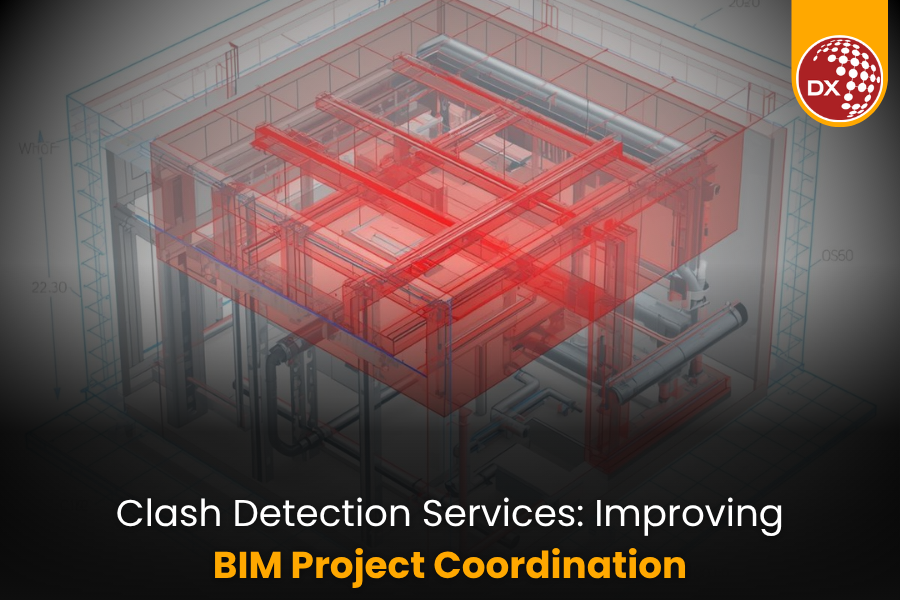
Clash Detection Services: Improving BIM Project Coordination
Here are a few SEO-optimized excerpts for the article, based on the provided titles:
* **Clash Detection Services: Identifying and Resolving Conflicts:**
* **Find & fix BIM clashes early! Our clash detection services save time & money. Resolve conflicts before construction.** (128 characters)
* **Clash Detection Services: Improving BIM Project Coordination:**
* **Boost BIM coordination with clash detection. Identify design conflicts & improve collaboration for smoother projects.** (144 characters)
* **Clash Detection Services: Streamlining Construction Projects:**
* **Streamline construction & avoid costly errors! Clash detection services ensure efficient BIM project delivery. Learn more.** (143 characters)
Reflecting on the BIM Coordinator Summit 2024
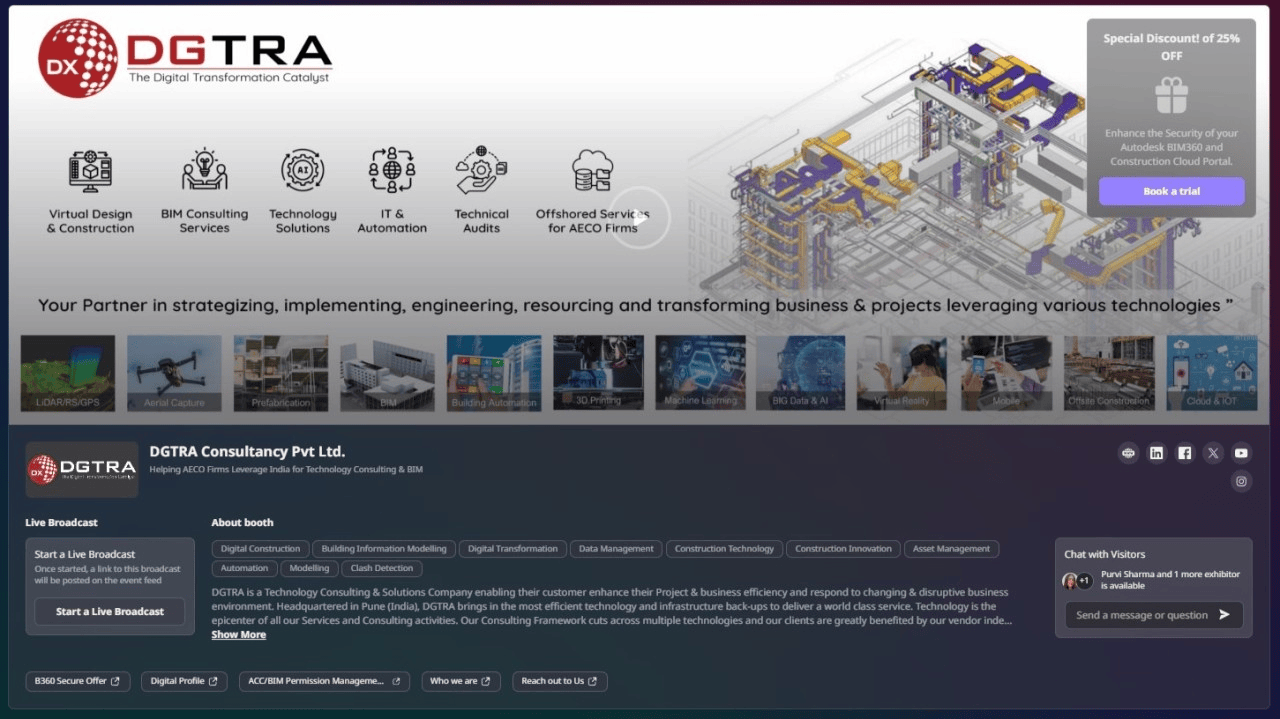
On September 11-12, Viren Thakur, Rajeev Patni , Purvi Sharma and Sunil Joshi on behalf of DGTRA had the privilege of attending the BIM Coordinators Summit 2024 as a Bronze Sponsor for the Event. The event brought together brilliant minds from across the AECO industry, providing a platform for thought-provoking discussions on the latest trends in Building Information Modeling (BIM). The BIM Coordinators Summit 2024 highlighted the growing synergy between BIM, AI, reality capture, and VR.This convergence of technologies is driving a new era of digital construction, marked by increased efficiency, innovation, and collaboration. As we move forward, staying informed about these advancements and integrating them into our workflows will be essential for leveraging their full potential. The future of construction is not just about adopting new tools but about harmonizing these tools to create more effective, accurate, and sustainable building practices. The summit was a testament to the vibrant and evolving landscape of the AECO Firms. By embracing these emerging technologies, we are not only enhancing how we build but also setting new standards for excellence and efficiency in the field. The sessions ranged from ISO 19650 compliance strategies to the impact of AI on BIM, sustainable design, and digital twins. Key topics, including cost management, risk mitigation, and advanced technologies like cloud computing, reality capture, and pyRevit, were explored. Industry leaders shared their expertise, offering actionable insights into BIM’s evolving role in construction and design. The sessions on value-driven cost management, overcoming BIM implementation challenges, and human-centric digital transformation were particularly impactful. The presentation on “Retrofit Risk” shed light on the complexities of modern construction, while discussions on “Strategic Tailoring” showcased how BIM can optimize workflows in AECO projects. Engaging panel discussions brought diverse perspectives from leaders in construction, design, operations, and data governance, emphasizing BIM’s potential in shaping future practices. DGTRA also had the opportunity to showcase our new Product: B360 Secure App to the visitors of our Booth. The visit was an eye opener for many who are working on Autodesk Construction Cloud / BIM360. They realized the importance of the Permission Management feature on ACC/BIM360 and how much of their data was still being shared with former consultants, vendors, and employees. Seeing everything on the B360 Secure dashboard made it easy for them to secure their project data and quickly address any issues with access. In Summary, the summit fostered a collaborative and innovative environment, leaving attendees with new perspectives and practical solutions for their projects. It was clear that the future of the construction industry lies in the continued adoption of advanced technologies and strategic innovation.

Digital Transformation in Construction: Beyond BIM – Unlocking Efficiency with the Right Tools
The construction industry is at a critical juncture, where embracing digital transformation is no longer optional but essential for survival and growth. With global construction expenditure being expected to reach up to $14 trillion by 2025, the industry is recognizing the need to adopt digital technologies to stay competitive. However, this transformation often brings confusion, especially around the concept of Building Information Modeling (BIM). While BIM is a powerful tool, it’s essential to understand that digital transformation goes beyond 3D. Building Information Modeling (BIM) has emerged as a vital tool in addressing these challenges. By integrating BIM into the planning phase, architectural, mechanical, electrical, and plumbing (MEP) aspects of a project can be combined into a cohesive model. This holistic view enables detailed analysis and optimization, particularly for power and cooling infrastructure, which are critical components in data centers. Furthermore, BIM facilitates risk mitigation by identifying potential design and construction issues ahead of construction. Construction projects have long been plagued by delays, budget overruns, and inefficiencies. In fact, poor data management alone costs the global construction industry an estimated $1.8 trillion annually. To combat these challenges, the industry is increasingly turning to digital tools that streamline operations, enhance collaboration, and improve overall project outcomes. Digital transformation is not just about adopting new technologies; it’s about changing how projects are managed, from conception to operation. While BIM is often at the forefront of discussions, several other technologies play a critical role in transforming construction practices: Construction & Project Management Tools: Tools like Procore and Autodesk Construction Cloud (ACC) are revolutionizing how projects are managed. These platforms provide a centralized hub for all project data, enabling real-time collaboration among stakeholders. They also offer powerful features for scheduling, budgeting, and resource allocation, ensuring that projects stay on track and within budget. Unified Program Dashboards: Creating a unified program dashboard using tools like Oracle’s Unifier, Tableau, or Power BI allows construction firms to visualize project data in real time. These dashboards integrate data from various sources, providing a comprehensive overview of project status, risks, and performance metrics. This holistic view helps decision-makers identify potential issues before they escalate and make informed decisions quickly Comprehensive Data Analytics (Common Data Environment): Leveraging a Common Data Environment (CDE) allows construction teams to store, manage, and analyze project data in one place. Comprehensive data analytics can be performed on this information, helping to identify trends, optimize processes, and improve project outcomes. The ability to analyze historical data also allows for more accurate forecasting and risk management. Comprehensive Work Packaging: Tools like CostX and Bluebeam streamline the process of work packaging by allowing teams to create detailed construction documents and cost estimates quickly. These tools support digital takeoffs, markup, and collaboration, making it easier to manage complex construction projects. They also help reduce errors and rework by ensuring that all team members are working from the most up-to-date information. Automated Drawings Comparison: Automated drawing comparison tools available within Procore, Bluebeam and ACC allow teams to quickly identify changes between different versions of drawings. This feature is crucial for maintaining consistency and ensuring that all stakeholders are aware of modifications. It reduces the risk of errors and omissions, which can lead to costly rework. At DGTRA, we understand the challenges that come with digital transformation in the construction industry. Our approach goes beyond simply implementing BIM; we focus on identifying the low-hanging fruits that deliver immediate returns on investment. We work closely with our clients across the US, UK, Ireland, Australia, and New Zealand to understand their existing business processes and develop tailored technology roadmaps that drive efficiency and growth. By leveraging the right tools, processes and people driven programs we help our clients adopt sustainable digital transformation. Digital transformation in construction is not just about adopting the latest technology—it’s about making strategic choices that align with your project goals as well. At DGTRA, we help you navigate this complex landscape, ensuring that your investment in digital tools delivers tangible results.

Accelerating Data Center Projects with BIM: Meeting Critical Demands in a Fast-Paced Industry
Introduction Data centers are among the most complex, sensitive, and mission-critical infrastructures in the world. As the global demand for data storage and processing power continues to surge, the data center market is experiencing rapid growth. The global data center market is forecasted to grow by USD 434.8 billion between 2023 and 2028, reflecting a compound annual growth rate (CAGR) of 14.52%. This growth is driven by the increased adoption of multi-cloud environments, the expansion of 5G networks, and the rising demand from hyperscale data centers, which are crucial for supporting large-scale digital transformation initiatives. However, with this growth comes significant challenges. Data center projects often have extremely tight timelines, requiring rapid site selection, design finalization, construction, and commissioning. Despite the need for speed, there is zero tolerance for errors or compromises on quality. Standardized products might be readily available, but the real challenge lies in the rapid rollout of custom, project-specific engineering and construction solutions that meet the unique demands of each data center project. Building Information Modeling (BIM) has emerged as a vital tool in addressing these challenges. By integrating BIM into the planning phase, architectural, mechanical, electrical, and plumbing (MEP) aspects of a project can be combined into a cohesive model. This holistic view enables detailed analysis and optimization, particularly for power and cooling infrastructure, which are critical components in data centers. Furthermore, BIM facilitates risk mitigation by identifying potential design and construction issues ahead of construction. One of the most pressing issues for data centers today is energy efficiency. With energy consumption and carbon footprints under scrutiny, data center operators are under immense pressure to meet sustainability goals. BIM plays a pivotal role in this area by enabling the design of energy-efficient systems and the selection of sustainable materials, thus reducing the environmental impact and operational costs of data centers. The ability to model energy consumption and environmental impact is invaluable in energy management. In addition to sustainability, the escalating workloads and increasing rack densities in data centers are pushing the limits of existing infrastructure. Predictions suggest that data center workloads will grow by 10-20% annually over the next five years. BIM’s adaptability allows for modular and scalable designs, making it easier to accommodate future expansions and technological upgrades. This flexibility is essential for hyperscale data centers, where capacity needs can skyrocket within short periods of time. At DGTRA, we understand the critical demands of data center projects. Our expertise lies in providing comprehensive BIM services that support every phase of data center development. We help our clients across the US, UK, Ireland, Australia, and New Zealand win projects by offering exceptional simulation of project programs, modular strategies, value engineering, and Virtual Design and Construction (VDC) services. Our holistic approach ensures that data centers are not only built to meet current demands but also to deliver great lifecycle outcomes. By leveraging BIM and other advanced technologies, DGTRA enables clients to deliver high-quality data centers that meet the highest standards of efficiency, reliability, and sustainability, all within the tight timeframes that the industry demands.