Introduction BIM has transformed the AEC industry, streamlining design, documentation, and execution. However, it has also reduced engineers and architects to mere software operators, eroding their core expertise. The rise of “BIM Engineers” signals a shift away from true engineering. We must say no to this trend and refocus on fundamental architectural and engineering principles. The Evolution of BIM BIM, which started as a tool for visualizing and coordinating building designs, has evolved into a sophisticated data-driven process. Originally focused on 3D modeling, it now integrates multiple disciplines and extends to cost estimation, sustainability, and facility management. But as BIM technology has expanded, a new problem has emerged—the rise of “BIM Engineers,” a misnomer that undermines the true value of architecture and engineering expertise. The “BIM” Label: A Double-Edged Sword BIM has become so ingrained in the industry that titles like “BIM Modeler” and “BIM Engineer” are now common. While this reflects the growing demand for BIM skills, it also indicates a shift from core engineering knowledge to software proficiency. Too many firms are hiring “BIM Engineers” who are skilled in using software but lack the analytical and design expertise needed to solve real-world engineering challenges. This trend is a step backward for the AEC industry for several reasons: Erosion of Analytical and Design Skills: Relying on BIM software alone leads to a loss of critical thinking and problem-solving ability, reducing engineers to mere software operators. Lack of Engineering Judgment: Software-generated results should be cross-verified with human intuition, but “BIM Engineers” often blindly trust the outputs, leading to errors. Standardization Over Innovation: The pressure to follow BIM templates and automated workflows stifles creativity and the spirit of innovation. Communication Gap: Excessive reliance on digital models reduces the importance of traditional communication methods like sketches, hand calculations, and discussions, which are essential in the early design stages. Why the AEC Industry Needs Engineers, Not “BIM Engineers” BIM is a tool, not a profession. The AEC industry needs professionals who understand BIM but are architects, structural engineers, and mechanical engineers first. Here’s why we must rejectthe “BIM Engineer” label: BIM Should Enhance, Not Replace, Engineering: BIM must serve as an aid to engineering, not as a replacement for the critical thinking that drives design. Fundamental Principles Matter: The laws of physics, material science, and structural analysis are constant, and an in-depth understanding of these principles is essential for creating safe and efficient designs. Innovation Requires a Strong Foundation: The best solutions come from professionals who are grounded in engineering fundamentals, not just those who can operate software. How to Strike the Right Balance To ensure BIM serves its intended purpose without compromising engineering expertise, firms should embrace the following practices: Continuous Learning: Engineers and architects must keep up with both traditional engineering knowledge and evolving digital tools. Integrated Workflows: Firms should create workflows that combine manual design, calculations, and engineering judgment with BIM processes. Critical Software Use: Professionals should be trained to question and validate BIM outputs rather than blindly trusting them. Encourage Problem-Solving Skills: Engineering education should focus on problem-solving, not just software proficiency. DGTRA: Helping Firms Embrace Digital Workflows without Losing Core Strengths At DGTRA, we recognize the need for firms to adopt digital workflows while maintaining their core engineering and design expertise. Our approach focuses on integrating BIM into existing processes in a way that enhances efficiency without sacrificing creativity or engineering fundamentals. Through customized training, consulting, and implementation support, we help firms leverage BIM as a tool that enhances their work, rather than replacing their engineering knowledge. In conclusion, while BIM has transformed the AEC industry, it’s essential to remember that engineers and architects must remain at the heart of the process. We must say no to “BIM Engineers” and ensure that technology serves as a complement to, not a replacement for, the expertise that drives great design & marvelous engineering .

Unlocking the Full Potential of Procore: Overcoming Implementation Challenges
Introduction Many large general contractor firms have invested in Procore Technologies to enhance project management and operational efficiency. However, improper implementation and inadequate data management practices have held back these organizations from realizing Procore’s full potential. A significant factor contributing to this shortfall is the failure to maintain disciplined and consistent data updates within the Procore system. Without organized and up-to-date data, Procore cannot generate the critical insights necessary to drive business advancement. Procore Technologies has become a leading platform for construction project management, enabling enhanced collaboration, efficiency, and data-driven decision-making. However, many large general contractor firms struggle to fully leverage Procore due to improper implementation and inadequate data management. The lack of structured processes and disciplined data entry can significantly hinder the platform’s ability to generate actionable insights. The Importance of Proper Procore Implementation Procore is designed to centralize project information, streamline communication, and provide actionable insights. When implemented correctly, it can significantly improve efficiency, reduce rework, and ensure compliance with project timelines and budgets. However, improper implementation can lead to inefficiencies, missed deadlines, and financial losses. Industry reports highlight the consequences of such inefficiencies. For instance, in 2023, the construction industry experienced a loss of billions of dollars due to inefficiencies and poor productivity. This underscores the importance of leveraging connected construction data to reduce risks and improve outcomes. Common Challenges in Procore Implementation Several factors contribute to the underutilization of Procore by large general contractor firms: 1. Lack of Proper Training– Many companies fail to train their teams effectively on how to use Procore to its full potential. 2. Inconsistent Data Entry– Incomplete or outdated information can render dashboards ineffective, leading to poor decision-making. 3. Resistance to Change– Employees accustomed to traditional workflows may resist adopting new technology. 4. Fragmented Document Control– Without a structured document control process, teams struggle to locate and manage critical project files. 5. Dashboard Inefficiencies– Dashboards that do not display real-time and relevant data fail to provide meaningful insights. Best Practices for Successful Procore Implementation To overcome these challenges and unlock the full potential of Procore, organizations must adopt the following best practices: 1. Develop a Clear Implementation Plan Define business objectives and identify how Procore aligns with them. Establish clear workflows and processes within Procore. Assign Clear responsibilities to team members to ensure accountability. 2. Comprehensive Training Programs Provide Hands-on training for employees at all levels. Conduct regular refresher courses to reinforce learning. Use Procore’s support and knowledge base to stay updated on new features. 3. Ensure Consistent and Accurate Data Entry Set up & Implement standard operating procedures (SOPs) for data entry. Automate data synchronization where possible. Conduct routine audits to maintain data integrity. 4. Streamline Document Control Processes Implement a structured document management system. Use Procore’s version control features to track document revisions. Define access permissions to maintain data security. 5. Optimize Dashboards for Real-time Insights Customize dashboards to reflect key performance indicators (KPIs). Integrate Procore with other project management tools for a comprehensive view. Regularly review and update dashboards to keep them relevant. How DGTRA Helps Procore Users Globally We specialize in maintaining data integrity and streamlining project information, enabling clients to manage large-scale projects efficiently. Our expertise includes implementing and managing Common Data Environments (CDEs) for extensive accounts across various regions, including the US, UK, Canada, the Middle East, APAC, and Australia. DGTRA offers specialized services to Procore users worldwide, focusing on Document Control and Dashboard Building. By implementing robust document management systems and creating intuitive dashboards, we enable firms to maintain organized, up-to-date data within Procore. Document Control Services Standardizing document naming conventions for easy retrieval. Ensuring proper version control and document approvals. Automating workflows to minimize manual errors and delays. Dashboard Building Services Designing custom dashboards tailored to business needs. Enabling real-time reporting and data visualization. Providing insights that enhance project planning and execution. By partnering with our experts, firms can overcome implementation hurdles, fully harness Procore’s capabilities, and drive significant improvements in project outcomes and business growth.

Enhancing Security in Autodesk Construction Cloud with D360 Secure
Introduction Autodesk Construction Cloud (ACC) has become an essential tool in the AEC industry, offering integrated solutions for project management, design collaboration, and data storage. However, despite its robust features, managing permissions effectively remains a challenge, often leading to security risks. The Challenge: Managing Permissions in ACC One of the biggest challenges in ACC and Autodesk BIM 360 is controlling user permissions. While these platforms provide security controls, their complexity can cause oversights—particularly in large-scale projects. Real-World Scenario Imagine a project manager, who is also the project admin, preparing a critical submission. Suddenly, a consultant reports they cannot access a crucial file. In an attempt to resolve it quickly, the project admin grants excessive access but forgets to revoke it later—leading to a potential security breach. Why Permission Control Matters Permission management is crucial in ensuring: Data Security: Prevent unauthorized access to confidential information. Compliance: Adhere to industry regulations and project requirements. Project Integrity: Maintain structured access control to prevent accidental modifications or deletions. Our Expertise in Data Management DGTRA specializes in maintaining data integrity and streamlining project information, enabling clients to manage large-scale projects efficiently. Our expertise includes implementing and managing Common Data Environments (CDEs) for extensive accounts across various regions, including the US, UK, Canada, the Middle East, APAC, and Australia. We have extensive experience with document control systems and platforms such as: Autodesk BIM 360 Autodesk Construction Cloud (ACC) Our team ensures that best practices for data management in line with ISO 19650 guidelines are followed, reducing the risks associated with permission mismanagement. Key Features of D360 Secure Centralized Dashboard: Consolidates project-specific member and folder permissions in a single view. Permission Analysis & Audits: Identifies security gaps and ensures compliance. Effortless Management: Streamlines permission updates across multiple projects. Enhanced Security: Prevents accidental access level changes that could lead to data breaches. Bi-Directional Sync: Changes sync seamlessly between D360 Secure and the Autodesk platform, and vice versa. Conclusion D360 Secure enables Project Admins to efficiently analyze, audit, and manage security from a centralized dashboard. DGTRA remains at the forefront of data integrity and project security, empowering construction teams to focus on successful project delivery—without compromising security. Interested in enhancing your project security?Contact DGTRA today to learn more about D360 Secure.

BIM Beyond Design: Enhancing Asset Management and Lifecycle Planning
Introduction BIM Beyond Design: Enhancing Asset Management and Lifecycle Planning Building Information Modeling (BIM) has revolutionized the way architects, engineers, and contractors approach design and construction. However, its true potential extends far beyond the construction phase. When integrated effectively, BIM plays a crucial role in asset management, facility operations, and lifecycle planning, ensuring long-term efficiency, cost savings, and sustainability. BIM in Operations and Maintenance Traditionally, once construction was completed, building information was handed over in static documents, leading to inefficiencies in maintenance and facility management. With BIM, digital models serve as a dynamic and data-rich source of truth, enabling facility managers to make informed decisions. Efficient Maintenance & Repairs: BIM provides real-time access to asset data, helping facility teams schedule preventive maintenance and quickly resolve issues. Cost and Energy Optimization:By integrating BIM with energy management systems, buildings can optimize resource use and reduce operational costs. Space and Asset Management: Detailed 3D models allow facility managers to track space utilization and asset locations, improving efficiency and planning. The Role of Digital Twins in Facility Management Digital twins—a virtual representation of a physical building—take BIM one step further by incorporating real-time data from IoT sensors. This technology enables predictive maintenance, performance monitoring, and improved sustainability strategies. Predictive Maintenance:AI-driven insights from digital twins help forecast equipment failures, minimizing downtime and repair costs. Remote Monitoring & Control: Facility managers can monitor building systems in real-time, enhancing responsiveness and reducing on-site interventions. Lifecycle Optimization: By analyzing historical data, digital twins support long-term planning and sustainability initiatives. BIM as a Long-Term Investment Extending BIM beyond construction transforms the way assets are managed throughout their lifecycle. By integrating BIM with digital twin technology, facility managers gain greater control, enhance operational efficiency, and drive sustainability. As the industry embraces digital transformation, leveraging BIM for asset management is no longer optional—it’s essential. At DGTRA, we specialize in pushing the boundaries of BIM, empowering asset owners, facility managers, and real estate developers with cutting-edge digital solutions. Our expertise in BIM consulting, digital twins, and data-driven lifecycle management ensures that your built environment remains efficient, resilient, and future-ready. Whether optimizing existing assets or planning for the next generation of smart buildings, DGTRA is your trusted partner in the digital transformation of the AEC industry.
Enabling Scalable Design Collaboration Through a Cloud‑Based Common Data Environment
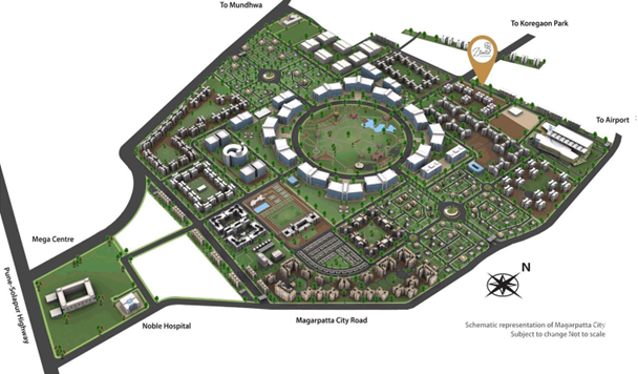
Digital transformation of a large‑scale gated community project in Pune through a cloud‑hosted CDE and integrated BIM workflows Client Overview A leading Indian real estate developer partnered with DGTRA to digitally streamline the design and engineering processes for a landmark project—a 430+ acre gated community in Pune, Maharashtra. The project brought together multiple consultants and stakeholders, demanding seamless coordination and control over large volumes of evolving design data. Problem Statement The client was grappling with fragmented communication, version control issues, and delayed reviews stemming from traditional, file‑based design workflows. With consultants spread across geographies, coordination became a bottleneck, often leading to inefficiencies, miscommunication, and rework. Key Challenges Absence of a centralized environment to manage design documentation Disjointed workflows and inconsistent deliverables across consultants Slow review cycles impacting project milestones Limited visibility into model changes and team activities Low adoption of digital tools among consultants and on‑site teams DGTRA’s Approach & Solutions Understanding the scale and complexity of the project, DGTRA deployed a robust, enterprise‑grade cloud collaboration ecosystem tailored to the client’s needs. Our engagement focused on both technology and people—implementing the right tools while enabling teams to adopt them effectively. Established a secure Common Data Environment (CDE) to centralize documentation and ensure controlled access for all stakeholders Standardized folder structures and naming conventions across disciplines to enable consistent data organization Defined and implemented uniform workflows for design development, approvals, and submission cycles Enabled real‑time model collaboration between architectural, structural, and MEP teams using cloud‑enabled BIM authoring platforms Automated drawing review and approval processes, reducing manual effort and delays Delivered customized training sessions for consultants and site staff to drive adoption and improve digital proficiency Solution Ecosystem The engagement leveraged a mix of industry‑leading platforms and secure collaboration tools, including: Cloud‑based CDE solutions (supporting multiple BIM authoring and review platforms) Model authoring tools for architecture, structure, and MEP with integrated cloud work sharing capabilities Digital design review and markup tools Enterprise productivity and document management suites D360 Secure by DGTRA for additional governance and control (Specific platforms were selected based on client requirements and existing ecosystem.) Conclusion Through this engagement, DGTRA successfully transformed a fragmented, manual design process into a centralized, collaborative digital environment. By integrating cloud‑based solutions with standardized workflows, we helped the client eliminate versioning conflicts, reduce rework, and achieve faster coordination between teams. Most importantly, we empowered their consultants and site teams with the skills and systems needed to work in real‑time, regardless of location. What was once a siloed, document‑heavy process evolved into a streamlined, scalable, and future‑ready digital framework—enabling the client to manage complexity with confidence and keep their ambitious development project on track.

DGTRA Participated in Digital Built India 2023 at Mumbai
We are excited to announce that DGTRA Consultancy was an associate sponsor of the Digital Built India event organized by CDCPIndia! This important event was held on December 8th, 2023, in Mumbai and focused on the latest trends and innovations in the digital built environment. This exciting event brought together industry leaders and experts to discuss the latest trends and technologies in the digital built environment. From Our team Viren Thakur, Brehme Mohanan and Rajeev Patni were also part of this important event and connected with fellow leaders to explore the crucial role of digital technologies in shaping the future of India’s built environment.

DGTRA’s Participation in Chicago Build Expo 2023
We are excited to inform you that our team is participating in the upcoming Chicago Build Expo 23 next week (11th & 12th October). DGTRA is listed in the Hall of Fame. We are looking forward to meeting, learning, and sharing AEC & BIM updates with our fellow industry friends. Of course, leveraging this great opportunity to explore Chicago for its jaw-dropping #architecture, vibrant music, and amazing food!

DGTRA’s Participation in BIM Coordinator Summit 23
DGTRA Consultancy Participated in the BIM Coordinators Summit 2023 in Dublin. Mr. Sunil Joshi, the Director-Founder of DGTRA, shared profound insights on the “4Cs” that shape the success of firmwide BIM initiatives. With expertise in construction digitization, He underscored the importance of Clarity, aligning BIM with business goals. He emphasized fostering a collaborative Culture and prudent Cost, often overlooked, to ensure BIM’s long-term viability. Additionally, he highlighted the transformative role of #Cloud in enhancing real-time collaboration. Mr. Joshi’s discourse provided attendees, both live and virtual, with actionable strategies to drive successful BIM adoption within their organizations. Also, we are thankful to all our audience who supported us and voted for our booth. We are very glad to announce that DGTRA Consultancy got the best sponsor award at the Summit. We are also very happy to share that our Director-Founder, Mr. Sunil Joshi, spoke at the technology lounge, and his session was one of the best sessions in the tech category. This 4C presentation was co-authored by our Technical Project Manager, Ishan Mehta, who couldn’t travel due to VISA issues. BIM Coordinator Summit 2023

Our Founder-Director Mr. Sunil Joshi Participated in Geospatial World Infra Event at Delhi
Our Founder-Director and General Secretary of CDCP India Mr. Sunil Joshi represented The Confederation of Digital Construction Practitioners (India) at the Geospatial World Infra Event in Delhi. He spoke about the importance of inclusive digitalization in ensuring a safe, resilient and #sustainable infrastructure. He also introduced and explained the India Strategy of CDCPIndia which takes into consideration the overall National and #Stakeholder Interest. Heartiest Congratulations to the GSW team for organizing such a great effort in bringing the industry together.

Our Founder-Director & CEO Mr. Sunil Joshi Participated in CII Construction Summit 2023 at Delhi
Our Founder-Director & CEO Mr. Sunil Joshi attended the CII Construction Summit 2023 at Delhi. He was one of the expert panelists at the Construction Summit 2023, organized by CII in New Delhi on August 4, 2023. The session focused on how Technologies & Equipment are transforming the Construction Sector. In this session, Mr. Joshi emphasized the ROIs of BIM & Digitalization with real-life examples of challenges and opportunities faced in Organizational Level BIM Implementation in India. The Session was also graced with extensive knowledge and experience sharing from other expert panelists that included Mr. Ajay Poddar, Mr. Taha Ansari, Mr. B R Parthsarathy, and Mr. Manesh Alias.